
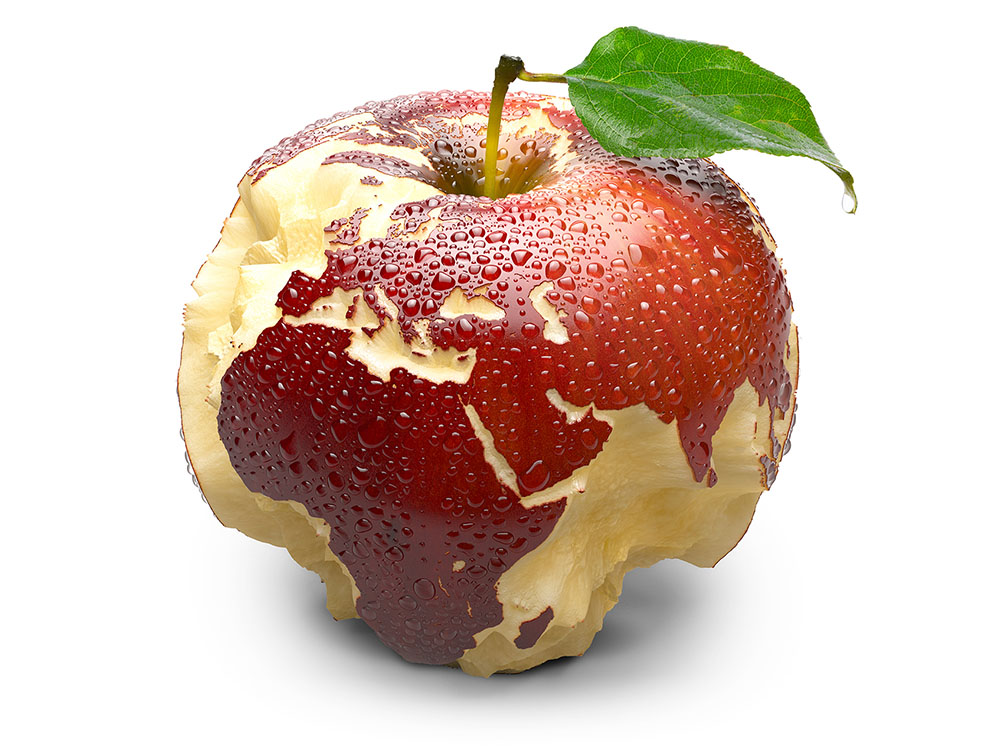
Climate change, an undeniable reality of our times, has cast its shadow across various sectors, and the intricate world of apple production is no exception. In recent years, the observable shifts in global climate patterns have sparked profound concerns within the agricultural community, prompting a deeper exploration into the far-reaching consequences on apple cultivation.
The delicate balance of apple orchards is intricately linked to seasonal changes, and alterations in climate dynamics disrupt this equilibrium. Rising temperatures during critical developmental stages, such as blossoming and fruit-setting, pose a considerable challenge to apple trees. Extended periods of warmth may lead to premature bud development, exposing the blossoms to the risk of late spring frost, a phenomenon increasingly witnessed in various apple-growing regions.
Simultaneously, altered precipitation patterns bring about uncertainties in water availability, affecting the overall water stress on apple trees. Prolonged droughts can hinder fruit development, reducing both the quality and quantity of the harvest. Conversely, an increase in intense rainfall events may result in soil erosion and nutrient leaching, negatively impacting orchard soil health.
Extreme weather events, including hurricanes and hailstorms, have become more frequent under the changing climate. These events not only cause direct physical damage to apple orchards but also disrupt the delicate pollination process. The intricate dance between pollinators and blossoms, crucial for successful fruit set, is disrupted when extreme weather conditions coincide with this vital phase.
The apple industry is not only grappling with the immediate impacts of climate change but also facing the long-term threat of shifting suitable climatic zones for apple cultivation. Traditional apple-growing regions may experience reduced suitability due to altered temperature and precipitation patterns, necessitating a reconsideration of cultivation practices and potential shifts to new geographic areas.
In response to these challenges, innovative approaches and technologies are emerging within the apple industry. Growers are exploring new apple varieties that exhibit resilience to changing climate conditions. Additionally, precision agriculture techniques, such as data-driven decision-making and the use of sensor technologies, are being adopted to optimize orchard management and resource use.
The collective response to climate change in the apple industry extends beyond individual orchards. Collaborative efforts among researchers, growers, and policymakers are crucial to developing adaptive strategies and sustainable practices. This includes the development of climate-resilient apple varieties through breeding programs, the implementation of water-efficient irrigation systems, and the promotion of agroforestry practices to enhance orchard resilience.
While climate change poses significant challenges to apple production, it also underscores the need for a collective commitment to sustainable and resilient agriculture. The apple industry’s ability to adapt and innovate in the face of these challenges will not only ensure the continued availability of this beloved fruit but also contribute to the broader conversation on building climate-resilient food systems.